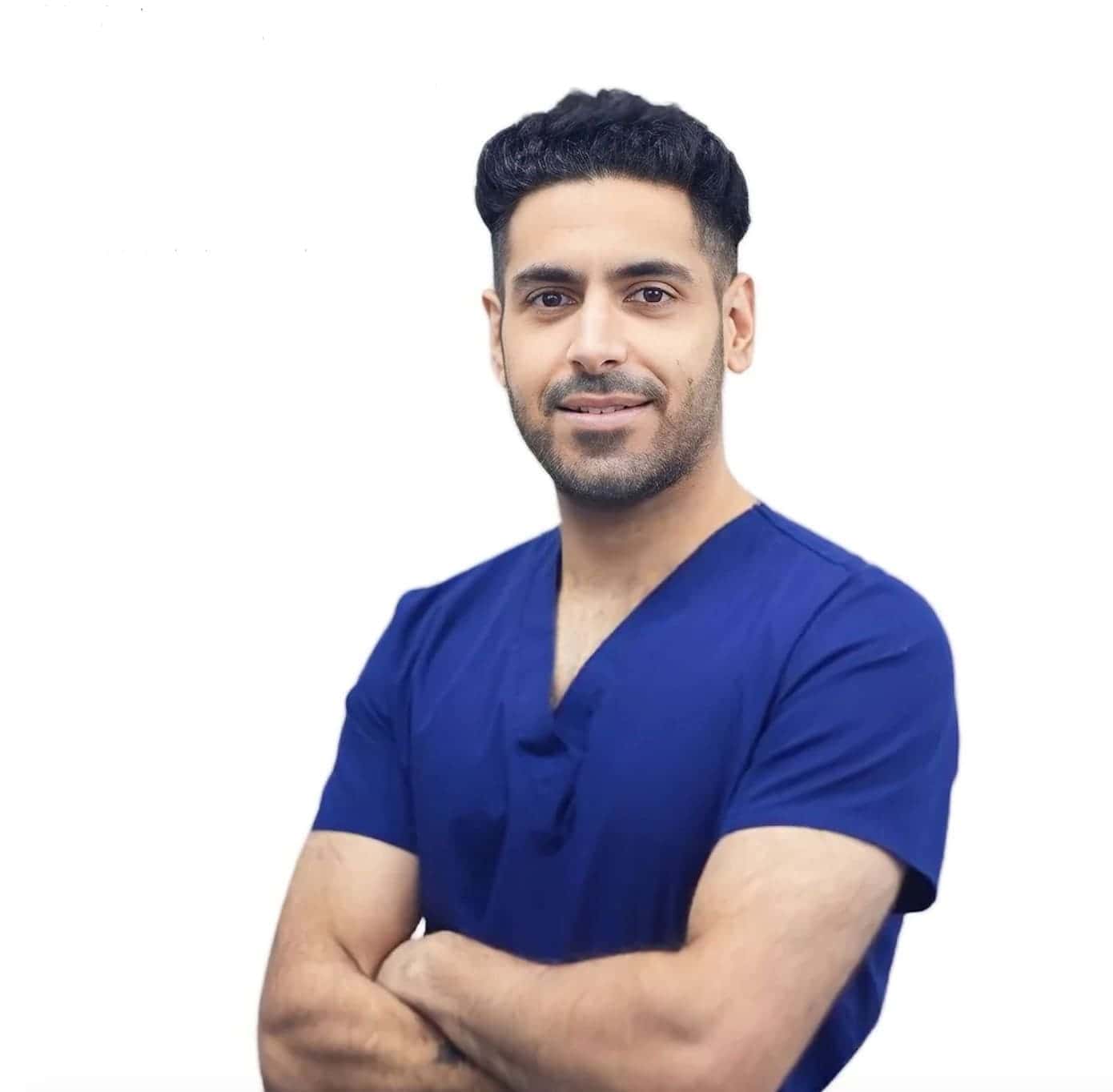





Every procedure at our Birmingham clinic is carried out by a GMC-registered doctor
Centrally located and easily accessible from across the Midlands by road and rail
A candid assessment of your donor hair and realistic outcome, no hard sell
Your surgeon is focused on your case alone, from the first extraction to the last graft implanted
Crown Hair Transplant in Birmingham
At Hair Transplant Birmingham, crown hair transplantation requires a more considered approach than hairline work. The vertex is a large area, the grafts must be placed in a whorl pattern that radiates from a central point, and the region is particularly susceptible to ongoing hair loss. We always assess long-term progression before committing to crown surgery and in many cases recommend stabilisation first.
The FUE method is used for all crown transplants at our Birmingham clinic. Follicles are extracted individually from the donor zone and placed into the thinning vertex at angles that replicate the natural growth direction of your whorl. Most crown procedures require between 1,500 and 3,000 grafts, depending on the size of the area and the density target.
Before and After Crown Hair Transplant Results in Birmingham
A selection of results from patients treated at our Birmingham clinic. All procedures were performed by our GMC-registered surgeons.

Why the Crown Is More Complex Than the Hairline
The hairline faces forward and frames the face. The crown is viewed from above, which means the perceived density is determined by a wide surface area rather than a narrow strip. Placing grafts at the correct angle is technically more demanding here than at the hairline because the whorl pattern requires every follicle to be angled outward from the centre point in a different direction depending on its exact position.
The other complication is ongoing loss. The crown is often the last area to respond to medical treatment and the first to show further thinning after surgery. A transplant that looks full immediately after surgery can look uneven within a few years if native hair around it continues to shed. This is why we discuss lifetime hair loss management at every crown consultation.
Should You Treat the Crown Before or After the Hairline?
There is no universal answer, but the principle is that the hairline is what people see first and the hairline is harder to reverse once it has gone. In patients with both hairline recession and crown thinning, we usually recommend addressing the hairline first unless the crown loss is causing significant distress. Splitting the donor supply between both areas in a single session can compromise density in both. Staging the procedures gives each area a better graft allocation.
That said, we work to your priorities. If the crown is your primary concern, we plan accordingly and design a sustainable graft allocation that accounts for future hairline maintenance.
The Role of Medical Management
Finasteride and minoxidil are not always mandatory before crown surgery, but they significantly improve outcomes. If your crown loss is still progressing at the time of consultation, your surgeon may recommend a period of medical treatment before scheduling surgery. This is not a delay tactic, it is good surgical practice that protects your long-term result.
Recovery After Crown Surgery
Recovery follows the same pattern as any FUE procedure. Small scabs settle within 10 to 14 days. Transplanted hairs shed at three to six weeks before regrowing. Crown regrowth can feel slower than hairline regrowth, partly because the area is less visible during the early growth phase. Full density in the crown is typically visible at 14 to 18 months.
Cost
Crown transplant cost is calculated from the number of grafts required at consultation. Most patients require between 1,500 and 3,000 grafts. We provide a fixed-price quote after your free assessment at our Birmingham clinic. Financing is available.
Make the best investment in yourself and find out more about how we can help eliminate hair loss for good!
Make the best investment in yourself and find out more about how we can help eliminate hair loss for good!
Where to Find Us
Hair Transplant Birmingham is centrally located and easily accessible from across the Midlands.
Hair Transplant Birmingham
12-22 Newhall Street
Birmingham
B3 3AS
The clinic is a short walk from Birmingham New Street and Snow Hill stations. Easy access from the M6 and M5 motorways with several car parks nearby in the city centre.
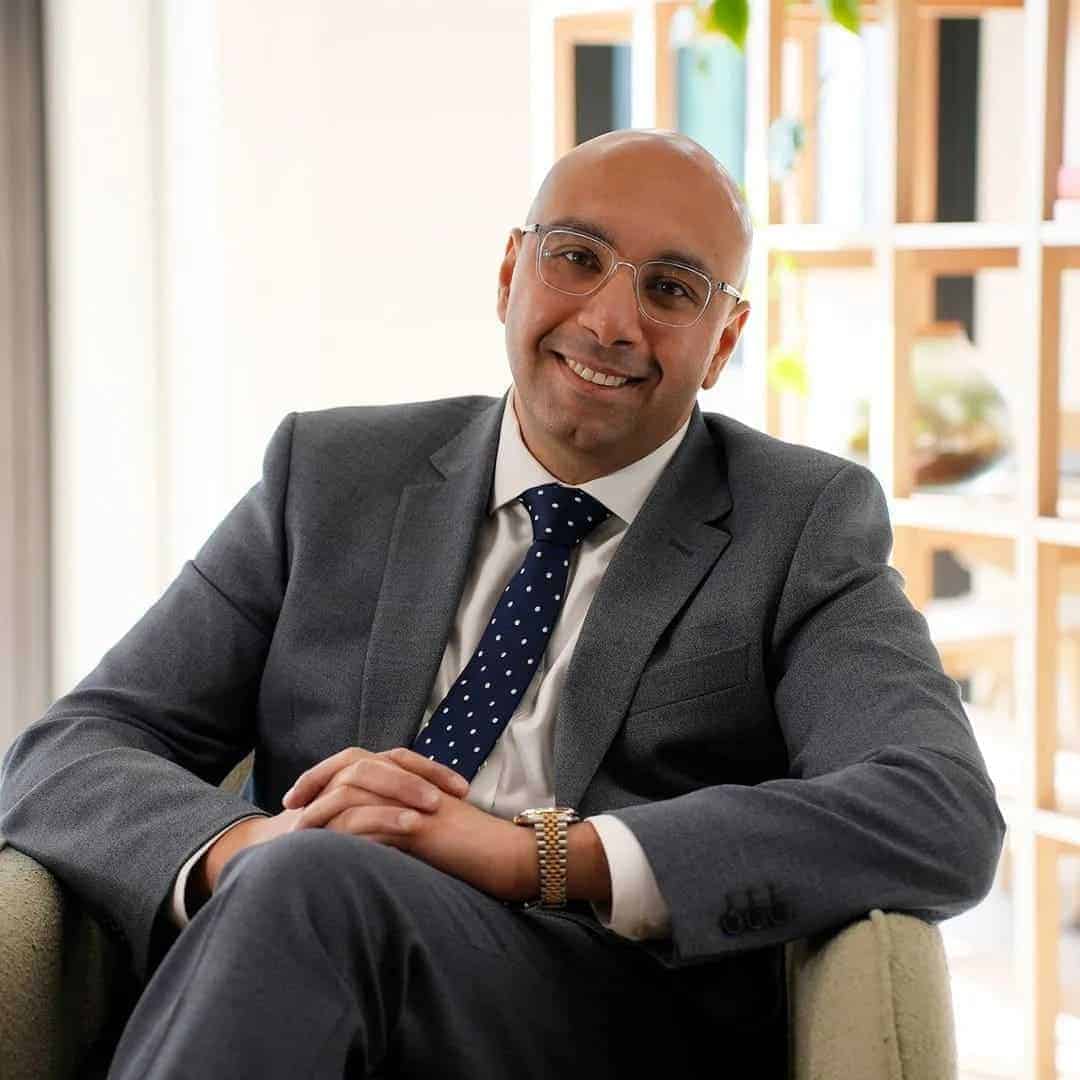
Frequently Asked Questions
Yes, but the crown requires a different strategy to the hairline. At our Birmingham clinic, we assess your Norwood scale progression carefully before recommending surgery, because crown loss can continue after a transplant. In many cases we recommend stabilising loss with medication before proceeding.
The crown has a whorl pattern, meaning grafts must be placed at multiple angles radiating outward from a central point. This requires more surgical precision than the hairline. It also requires more grafts per visible square centimetre because the area viewed from above is wider than it looks from the front.
A moderate crown patch typically requires 1,500 to 2,500 grafts. Larger areas of diffuse thinning across the vertex can need 3,000 or more. Your surgeon will assess the area and donor supply at consultation.
We do not rush to operate on actively progressing loss. If your hair loss is still advancing, we usually recommend a course of finasteride or minoxidil first to stabilise it. Surgery on a progressing crown without stabilisation can leave visible gaps around the transplanted area as native hair continues to thin.
Yes, many patients address both areas. However, we often stage the procedures rather than doing both at once, because dividing the donor supply between two large zones in a single session can compromise density in both. Your surgeon will advise on sequencing at consultation.
The recovery is the same as any FUE procedure. Redness and small scabs settle within 10 to 14 days. The transplanted hairs shed at around three to six weeks, which is normal. Regrowth begins at three to four months, with full density visible at 12 to 18 months.
Patient Testimonials
Aside from achieving fantastic results, we believe that keeping in touch with our patients before, during and after their hair transplantation procedure is paramount – it helps to keep our patients feeling calm and in control. We’re always on hand to provide guidance, support and aftercare advice. Time and again, our patients tell us that this is what sets us apart from other clinics.
You can read our great reviews of FUE hair transplants over on Google and Trustpilot